
Kyler Yang··7 min read·Guides
Library Life vs Cycle Count of RTV Molds | RUUIPON
Shelf age and dump count are two clocks. Platinum holds size; tin keeps moving. How to archive an RTV tool. Mix 1:1 or 10:1, MOQ 20, $50 CAD when it
Read article -Custom silicone development · RTV mold MOQ from 20 · DFM & prototype support
Explore practical silicone mold guides from RUUIPON, covering design, release, materials and production planning. Start with the problem you need to solve, then open the relevant product page when you are ready to discuss a quotation. CAD, drawings, samples and measured reference photos can all help define the project.
A broad DFM guide covering release, undercuts, splits, detail, multi-cavity layout, material selection and prototype validation.
The information that helps a supplier identify the correct mold structure, process, quantity and documentation requirements.
Understand when a flexible casting mold, compression tool or LSR tool fits the product.
Understand what food-contact documentation means and what to request for the destination market.
Use this cluster for one-piece vs two-part molds, undercuts and split molds, registration keys, wall thickness and support, edge radius, logo/text detail, tolerance and shrinkage, and DFM review.
One-piece vs two-part · Undercuts and split molds · DFM review
Use this cluster for gummy mold design, gummy size and cavity volume, chocolate molds, baking, ice and food-contact documents.
Use this cluster for platinum vs tin cure, vacuum degassing, cure time, RTV vs HCR/HTV vs LSR, and overmolding.
Use this cluster for RFQ preparation, low MOQ, lead time, custom vs off-the-shelf, factory sourcing, prototype to production, and ownership/reorder.
RFQ guide · Low MOQ · Custom vs off-the-shelf · Manufacturer
Use this cluster for common defects, tearing, resin bubbles, storage/warping, lifespan and cleaning.
Common defects · Resin bubbles · Storage and warping · Mold lifespan
Latest articles · 412 guides · page 13 of 42 · 10 per page
Title preview
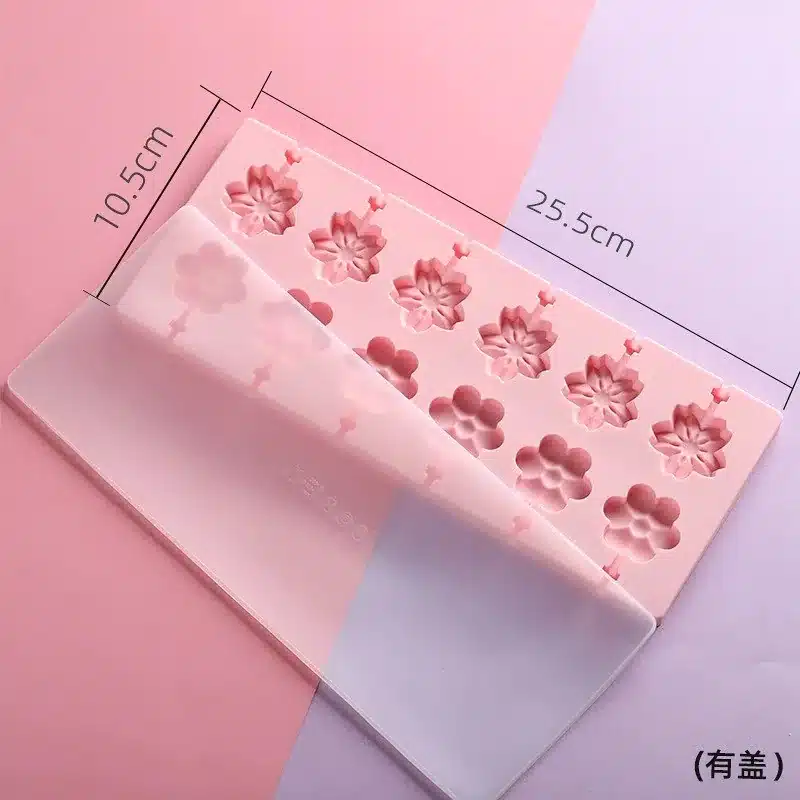
Shelf age and dump count are two clocks. Platinum holds size; tin keeps moving. How to archive an RTV tool. Mix 1:1 or 10:1, MOQ 20, $50 CAD when it
Read article -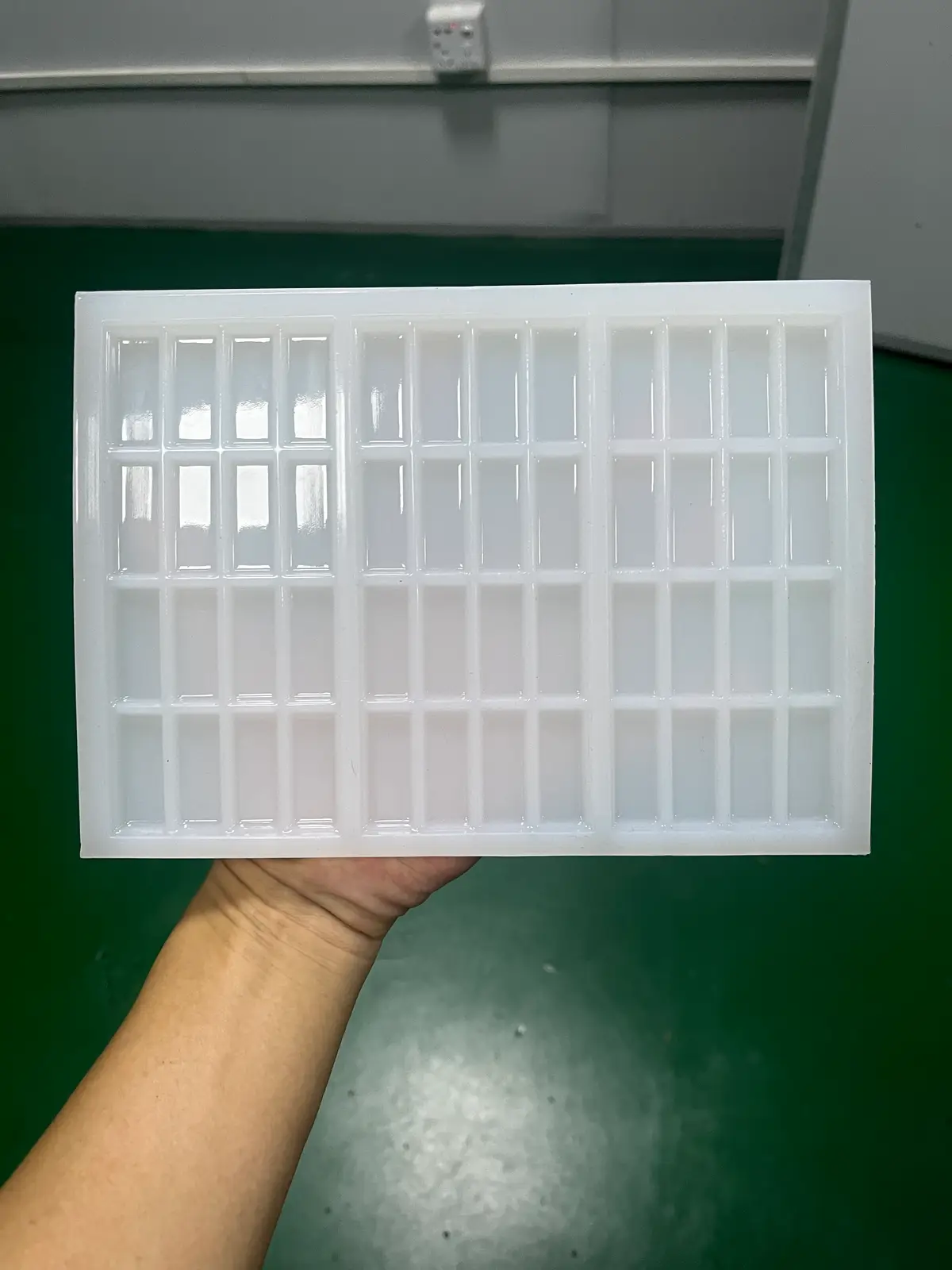
Best mold silicone is the drum that matches the dump: food, resin, wax, plaster, concrete. Platinum vs tin, Shore, jacket. MOQ 20, $50 CAD when it applies.
Read article -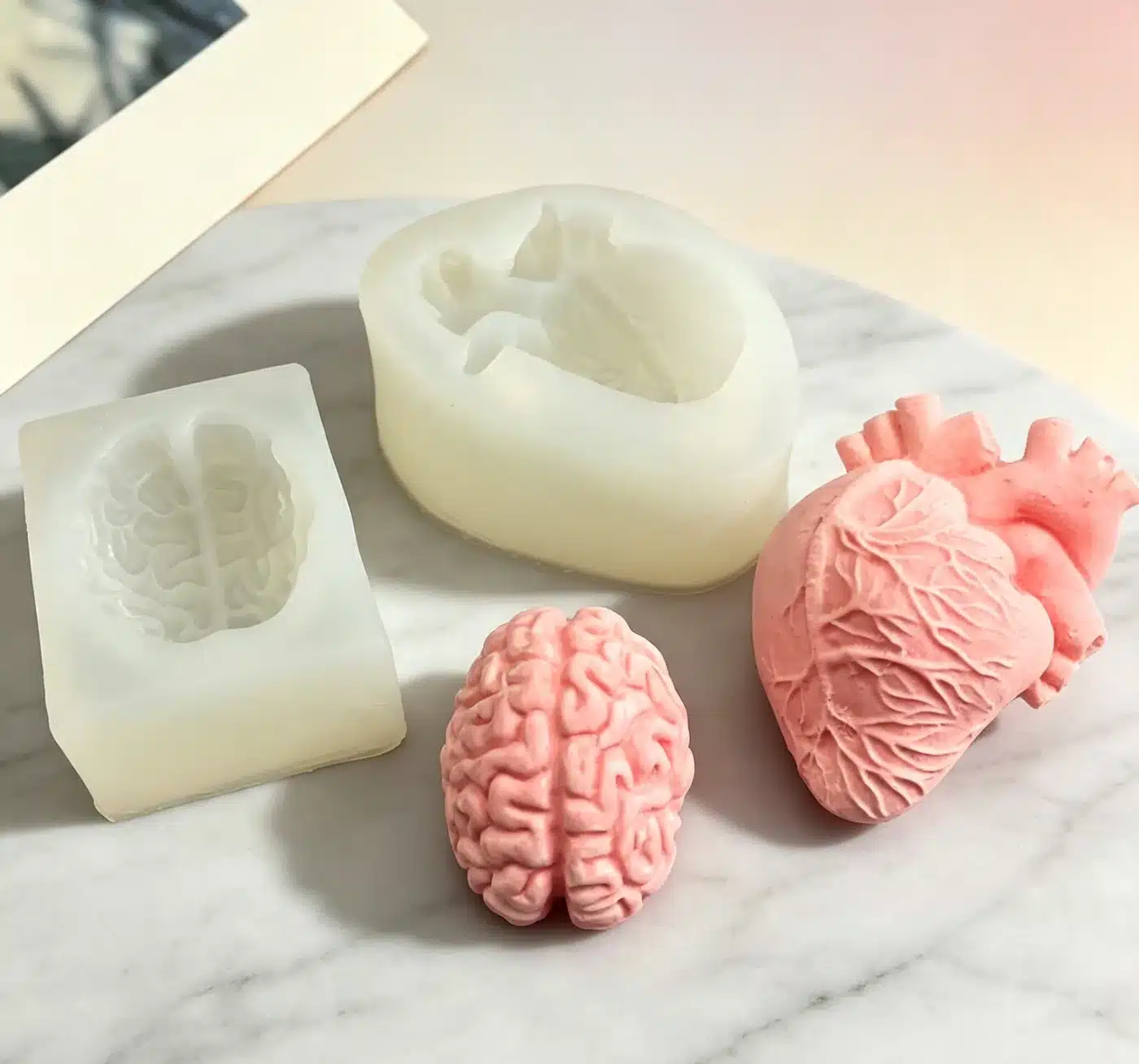
Platinum-cured means addition-cure catalysis, not FDA. Mix 1:1 or 10:1, shrink 0.1–0.3%. How it differs from tin. MOQ 20, $50 CAD when that scope applies.
Read article -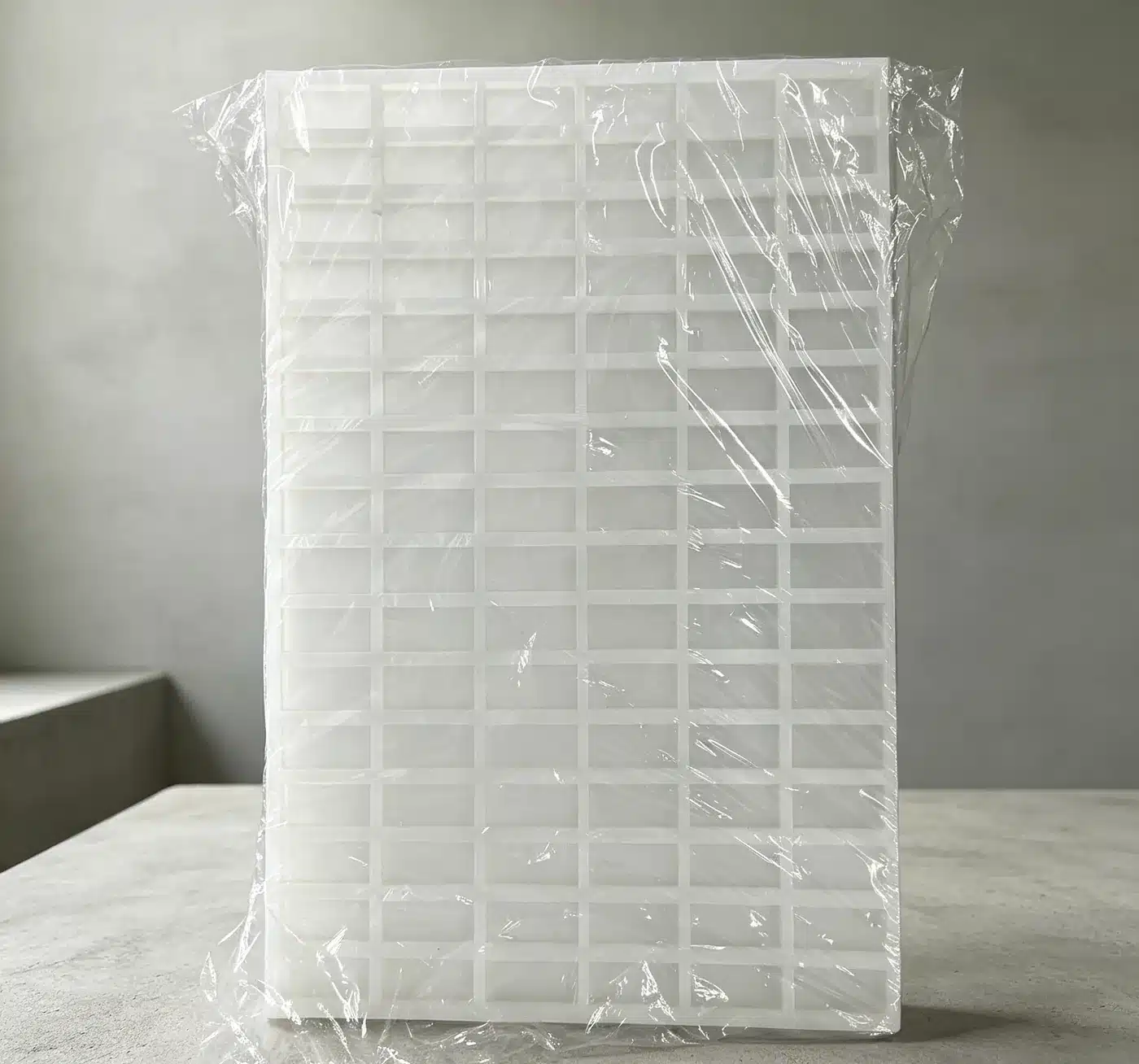
Platinum-cured RTV uses a platinum catalyst at trace level, not a metal filling. Marketing vs TDS. Mix 1:1 or 10:1, MOQ 20, $50 CAD when that scope
Read article -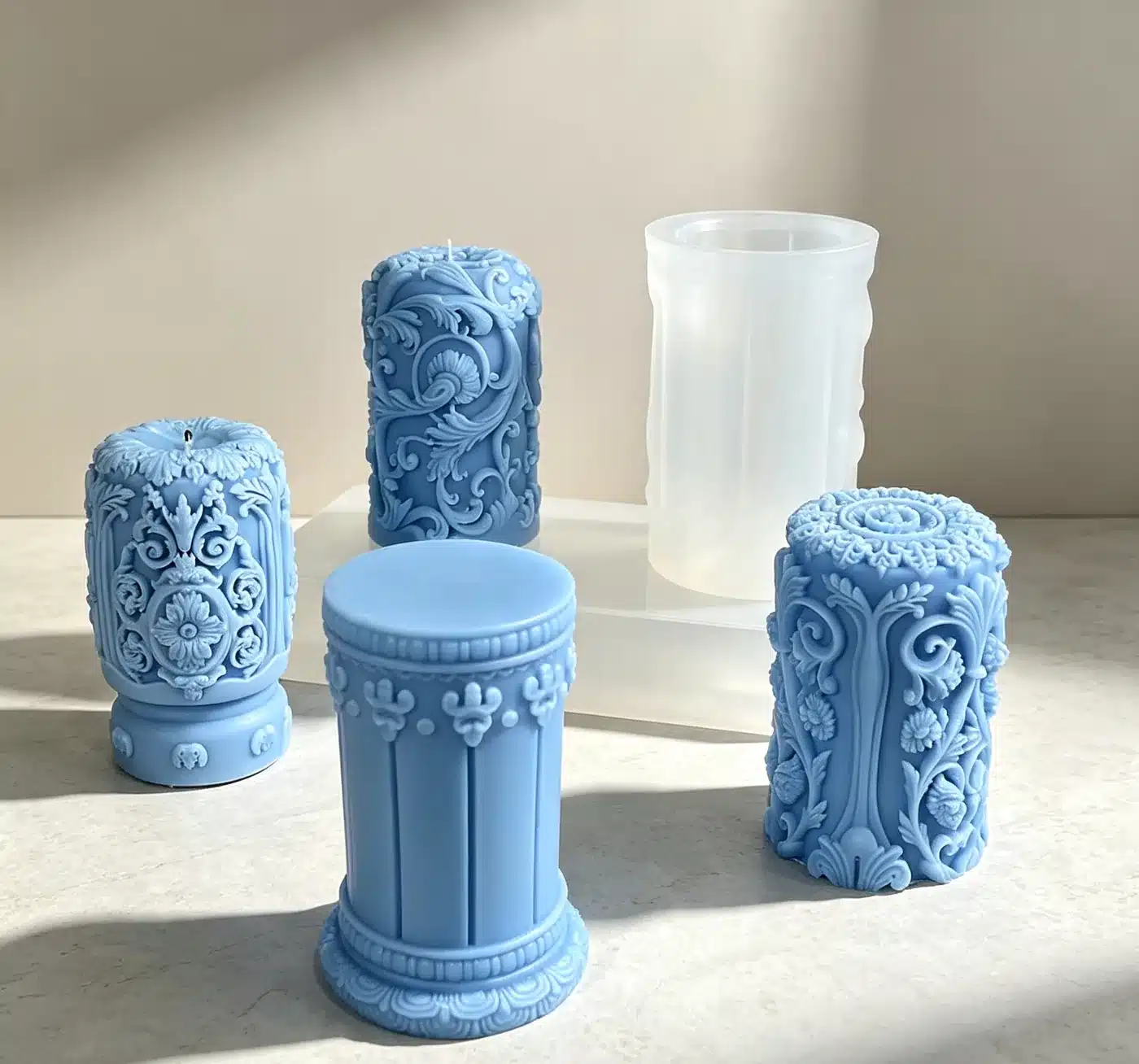
RTV molds take resin, wax, soap, plaster, concrete, and food — in separate cabinets. Do not share a chocolate tray with epoxy. MOQ 20, $50 CAD when it
Read article -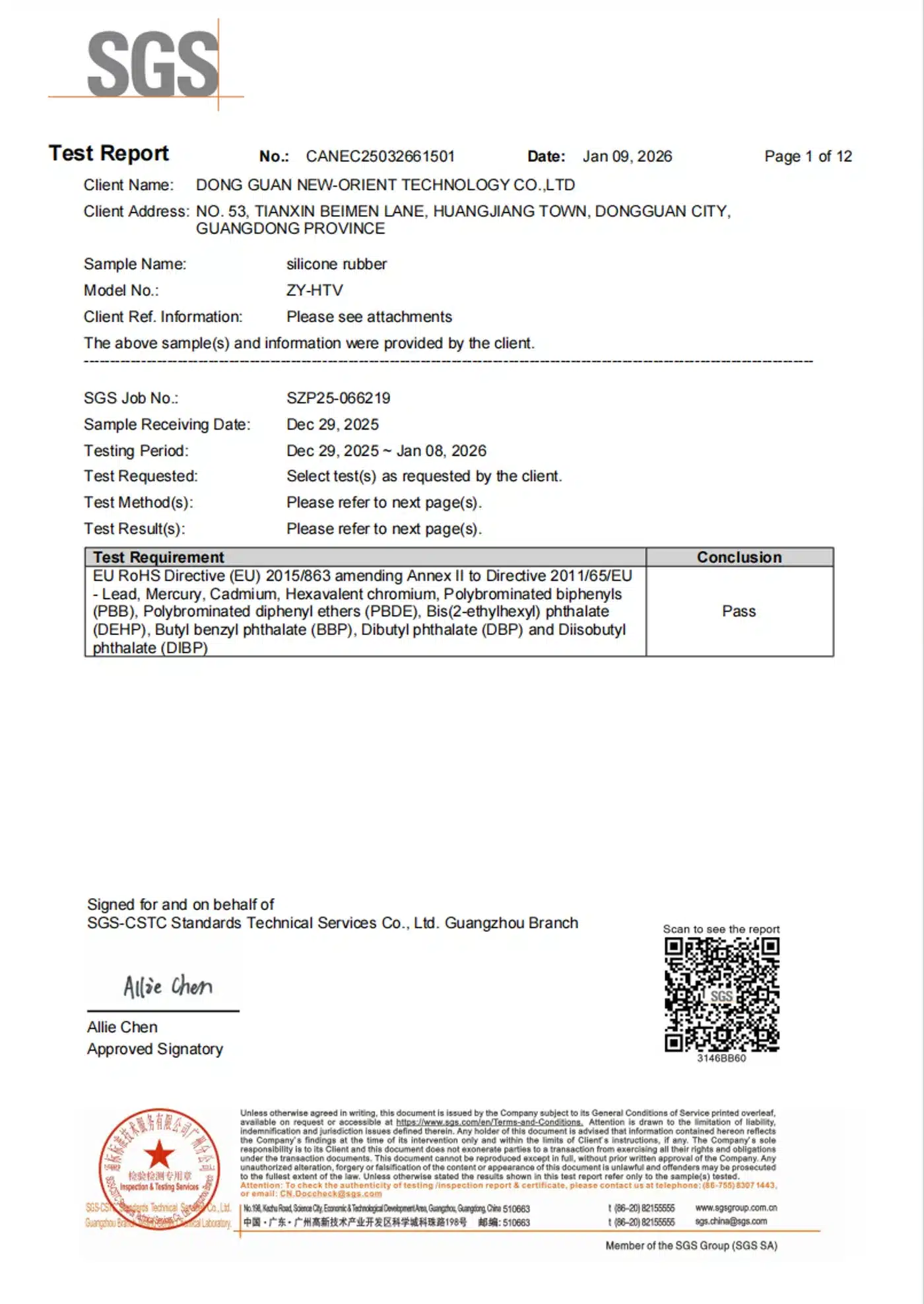
RTV heat limits are dump peak, not a baking-carton °C. Exotherm, isomalt, and oven trays are different RFQs. MOQ 20, $50 CAD when that scope applies.
Read article -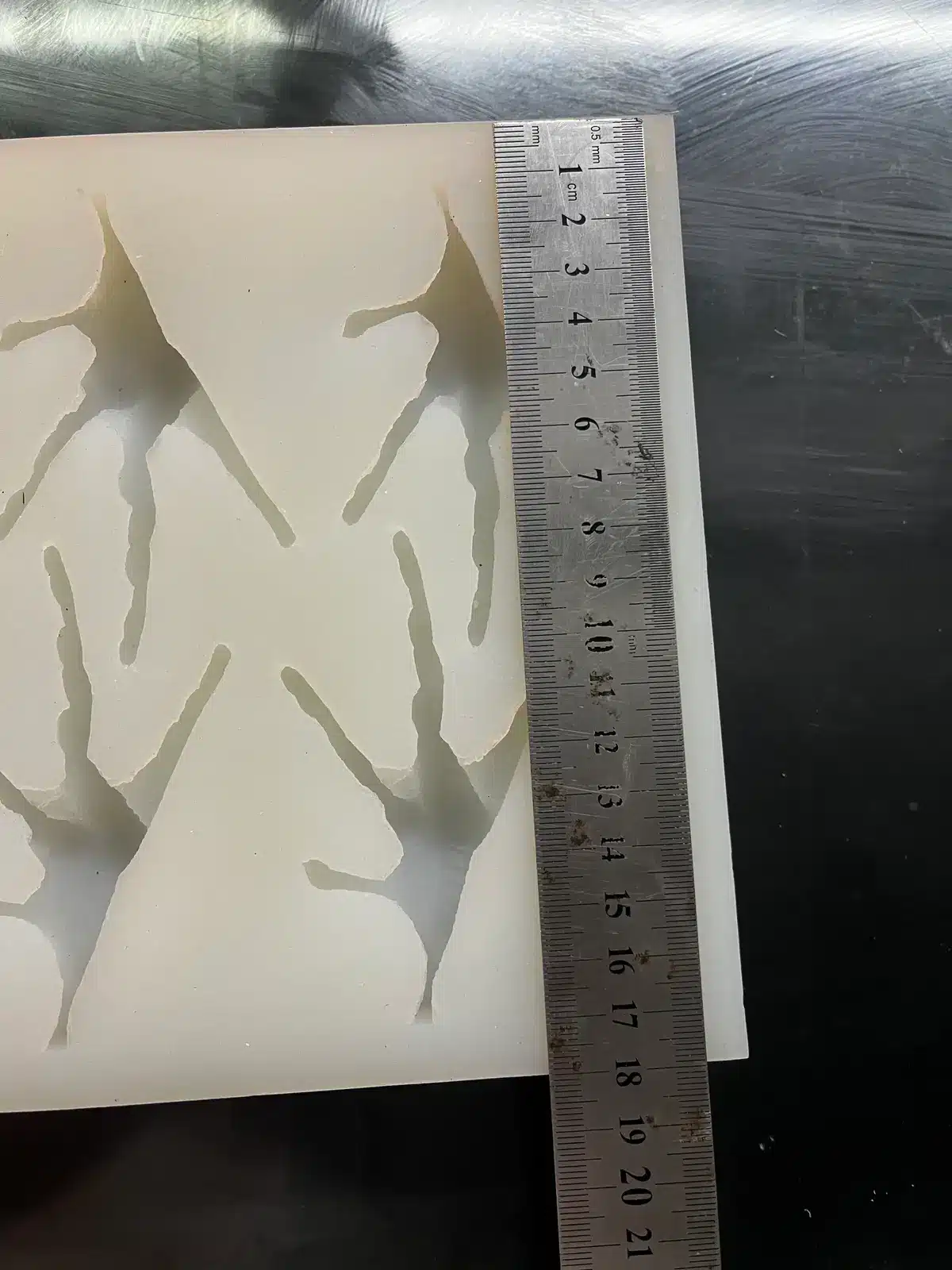
Tin-cure molds keep moving on the shelf. Platinum holds about 0.1–0.3% after full cure. When tin is honest. Mix 1:1 or 10:1, MOQ 20, $50 CAD when it
Read article -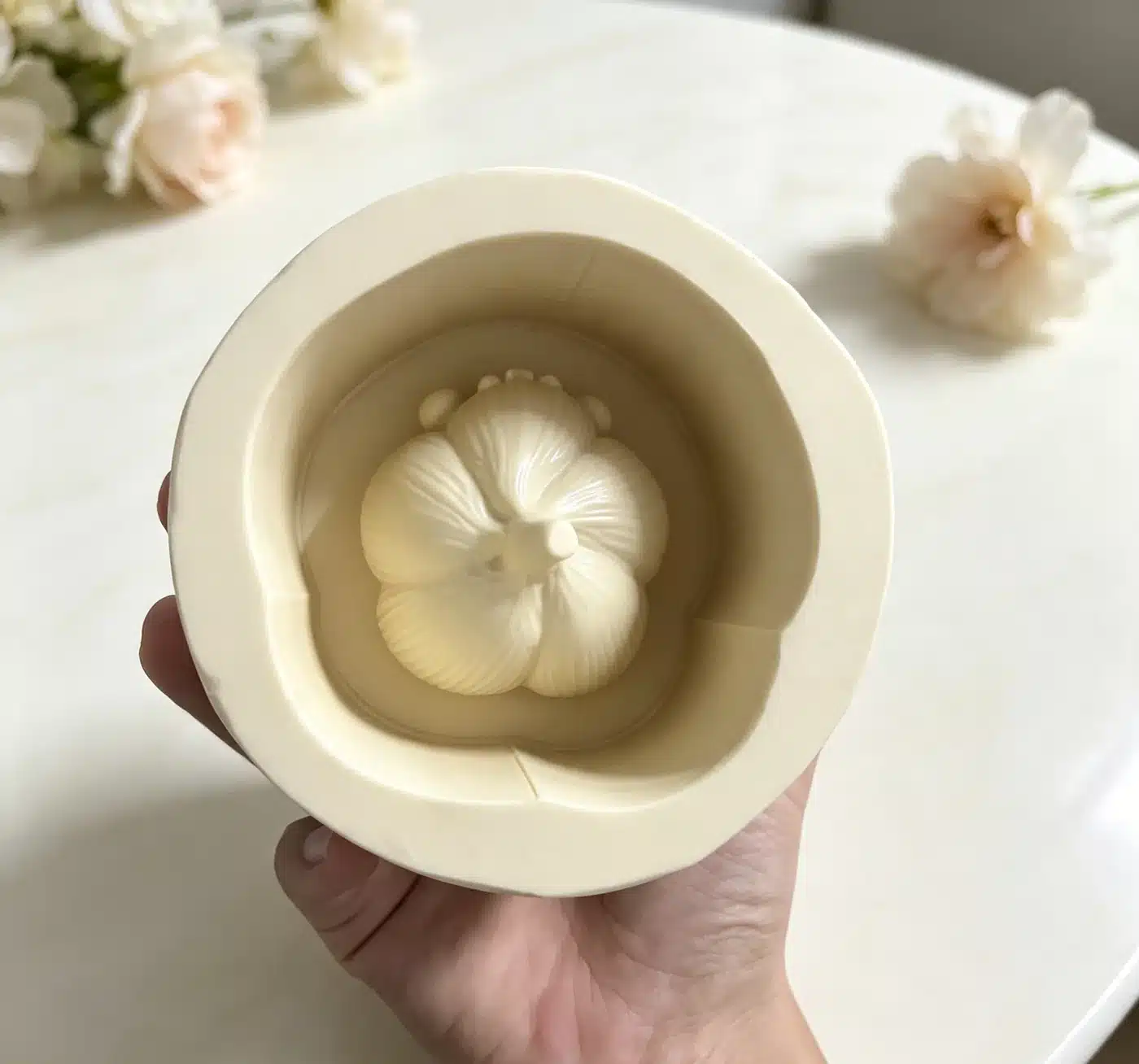
Epoxy and PU lock in RTV from exotherm, amine etch, or undercuts — not temper. Confirm empty cavity vs piece, then recast, split, or change the pour.
Read article -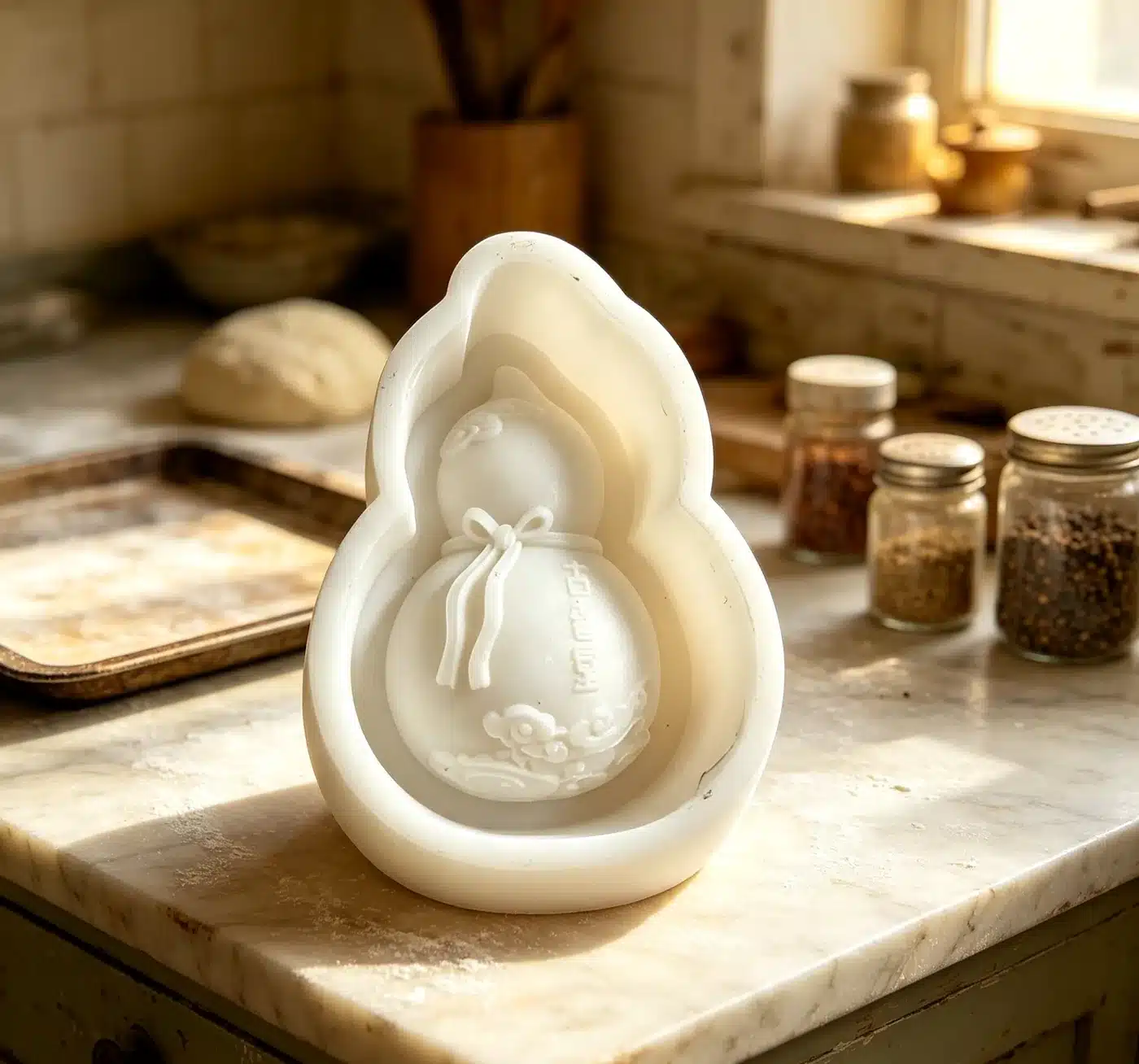
Petroleum jelly rarely poisons platinum the way sulfur clay or raw SLA does. It leaves a film, flash, and copied grease. Confirm with a puck test.
Read article -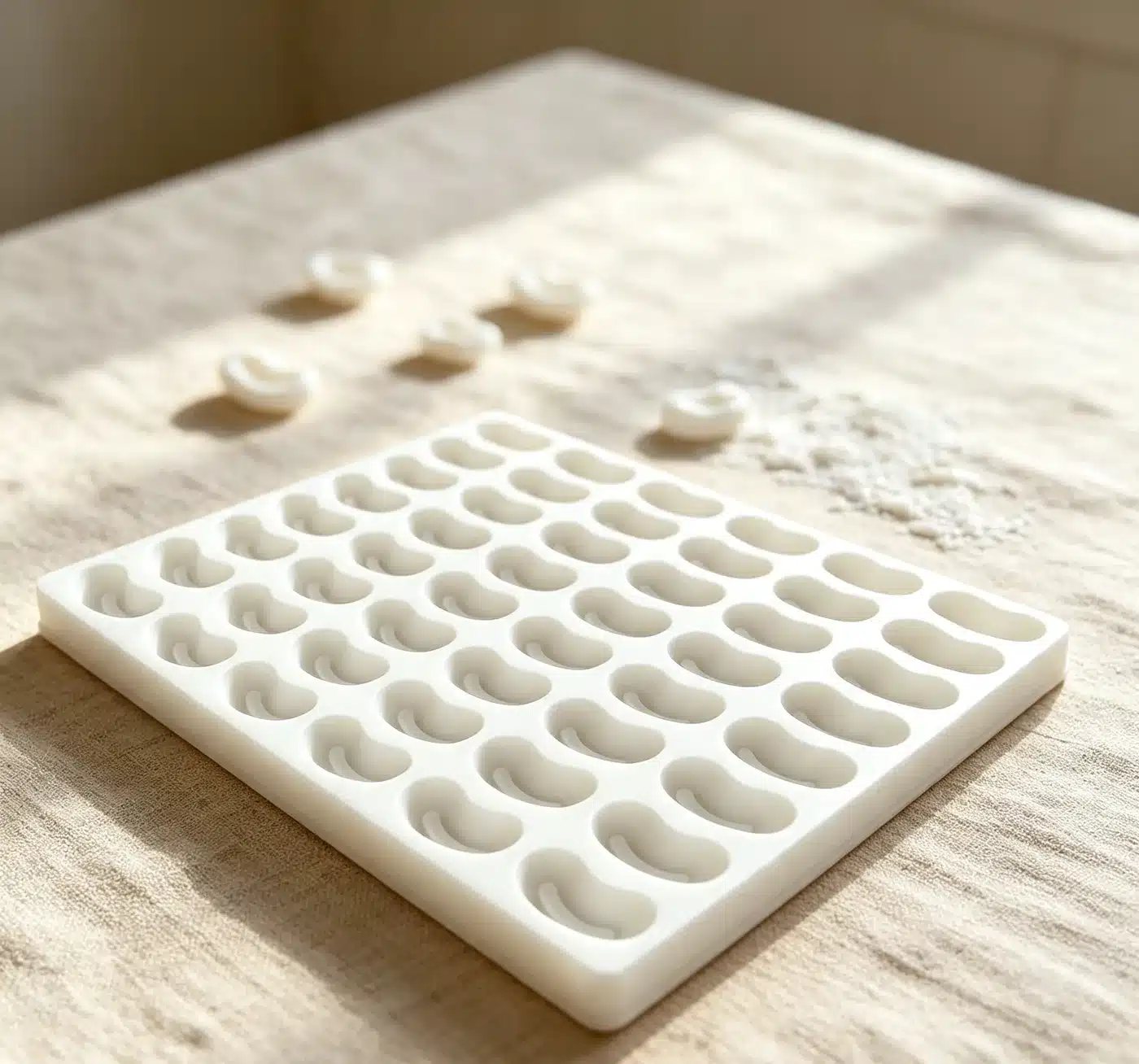
Porous masters get sealer first, then an optional named release. Reverse the order and platinum copies pinholes or inhibits. First-pour sequence from
Read article -