How to Measure Shore A on an RTV Tray Face | RUUIPON
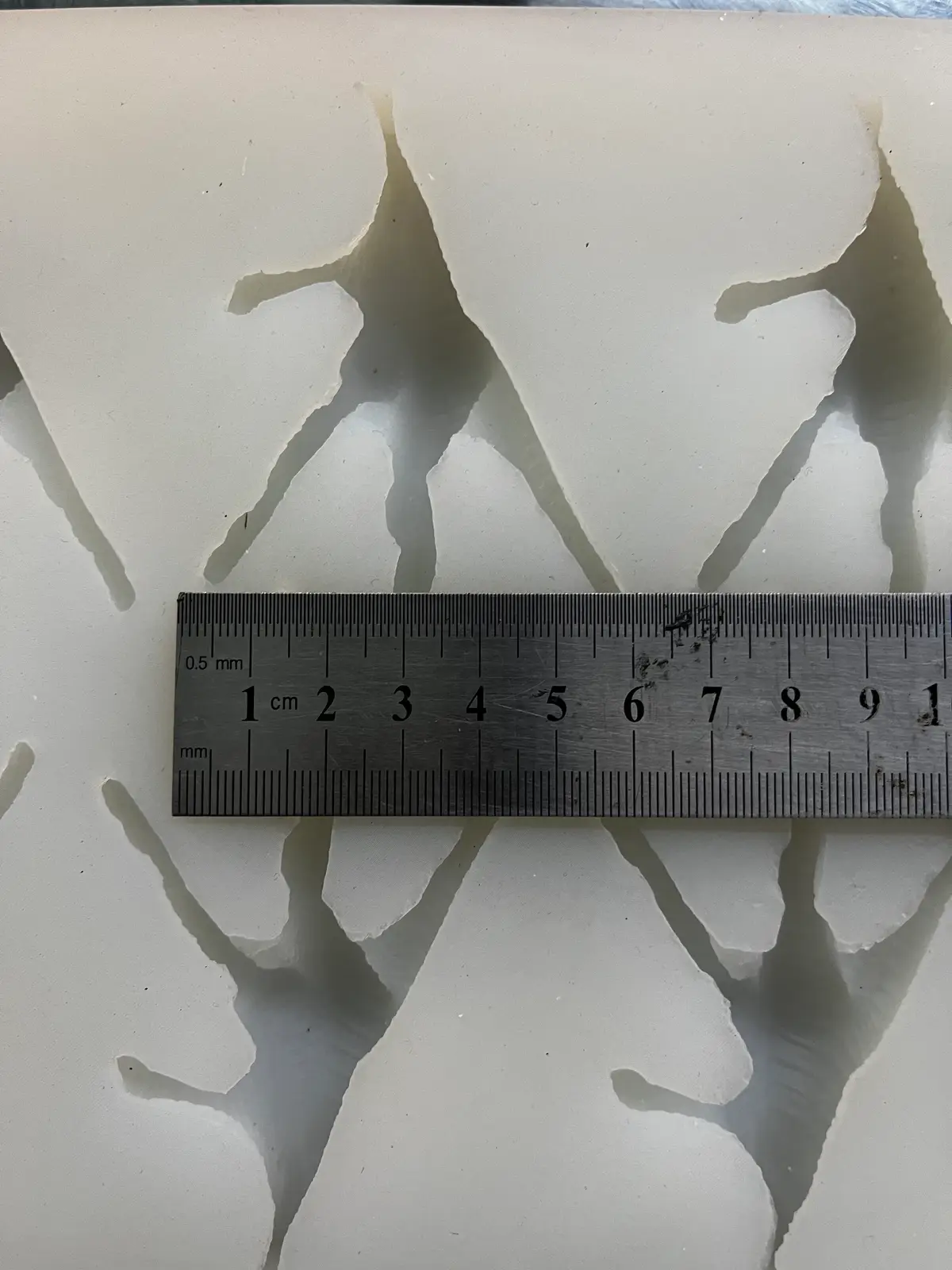
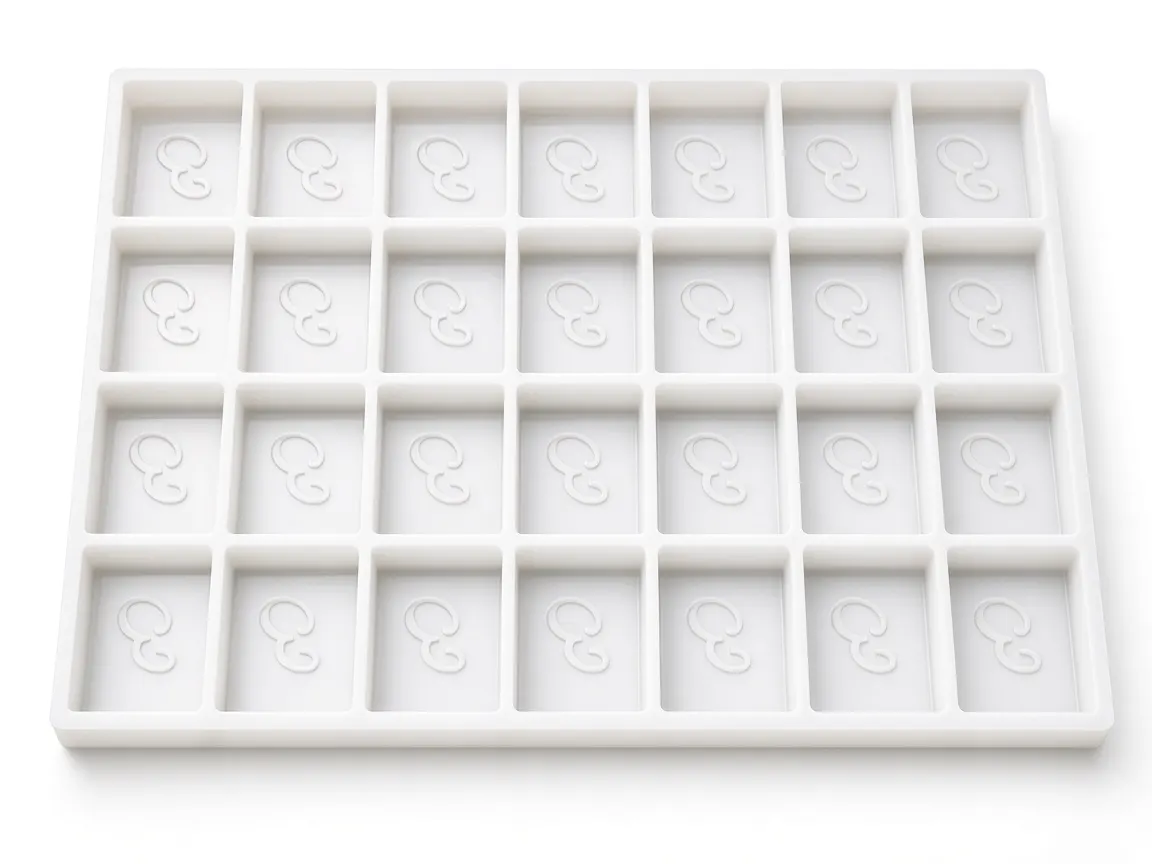
Shore A on a tray is a method: thickness, dwell, three spots. Empty table you fill on the bench. Typical shop values. Do not quote a catalog number.
Read article -Custom silicone development · RTV mold MOQ from 20 · DFM & prototype support
Explore practical silicone mold guides from RUUIPON, covering design, release, materials and production planning. Start with the problem you need to solve, then open the relevant product page when you are ready to discuss a quotation. CAD, drawings, samples and measured reference photos can all help define the project.
A broad DFM guide covering release, undercuts, splits, detail, multi-cavity layout, material selection and prototype validation.
The information that helps a supplier identify the correct mold structure, process, quantity and documentation requirements.
Understand when a flexible casting mold, compression tool or LSR tool fits the product.
Understand what food-contact documentation means and what to request for the destination market.
Use this cluster for one-piece vs two-part molds, undercuts and split molds, registration keys, wall thickness and support, edge radius, logo/text detail, tolerance and shrinkage, and DFM review.
One-piece vs two-part · Undercuts and split molds · DFM review
Use this cluster for gummy mold design, gummy size and cavity volume, chocolate molds, baking, ice and food-contact documents.
Use this cluster for platinum vs tin cure, vacuum degassing, cure time, RTV vs HCR/HTV vs LSR, and overmolding.
Use this cluster for RFQ preparation, low MOQ, lead time, custom vs off-the-shelf, factory sourcing, prototype to production, and ownership/reorder.
RFQ guide · Low MOQ · Custom vs off-the-shelf · Manufacturer
Use this cluster for common defects, tearing, resin bubbles, storage/warping, lifespan and cleaning.
Common defects · Resin bubbles · Storage and warping · Mold lifespan
Latest articles · 412 guides · page 8 of 42 · 10 per page
Title preview
Shore A on a tray is a method: thickness, dwell, three spots. Empty table you fill on the bench. Typical shop values. Do not quote a catalog number.
Read article -Shot weight is specific gravity times cavity volume, plus heel. Mix 1:1 or 10:1 by weight, not cup marks. Typical shop values. MOQ 20 per design.
Read article -
Cup heel is mixed platinum you already paid for. Weigh it, do not guess 10%. How heel, vacuum foam, and flask leak sit on the traveler. MOQ 20, $50 CAD.
Read article -Demold is peel. Full cure is when the cavity may take a hot or abrasive dump. Do not treat pot life or 3–7 days as that wait. Typical shop. MOQ 20, $50
Read article -
RTV post-cure is a supported oven bake after room cure. It is not HCR mill post-cure. Time/temp from the grade, not a kitchen max. MOQ 20, $50 CAD.
Read article -A food RTV cavity after SLA needs wash, UV, seal, a 20 g slug, then platinum. Inhibition is scrap, not a bake. Docs on this article. MOQ 20, $50 CAD.
Read article -
Tin-cure stays off our chocolate cavities. Leftover odor, ongoing shrink, and a doc pack that does not match couverture. Platinum only. MOQ 20, $50 CAD.
Read article -Figurine flash sits on the RTV split land, not on an HCR steel shut-off. Hide the seam, spec the trim, or move the split. Typical shop. MOQ 20, $50 CAD.
Read article -Hollow chocolate bombs need a registered inner core, a pull path, and a wall thickness — not a round open-back tray. Platinum only. MOQ 20, $50 CAD.
Read article -Flat-back magnets follow the Structure Decision: open-back, not a two-part block. Fill line, magnet well, platinum if food. Typical shop. MOQ 20, $50 CAD.
Read article -