
Why Platinum Silicone Stays Sticky or Will Not Cure Against a 3D-Printed Master
Do not publish a second cure-inhibition page. P24 already created the correct canonical: /blog/platinum-silicone-cure-inhibition-sla-resin/ P77 adds a.
Do not publish a second cure-inhibition page.
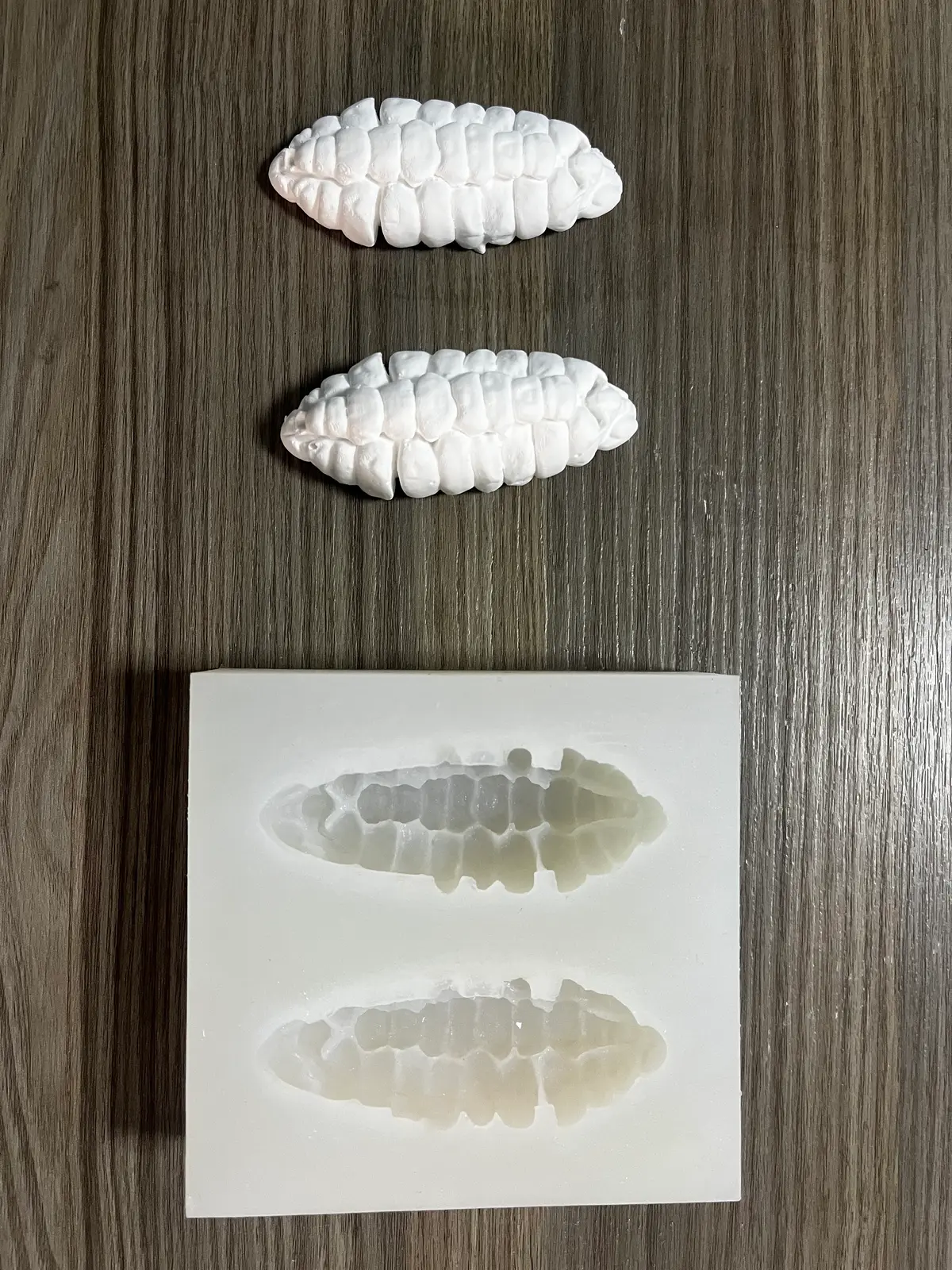
P24 already created the correct canonical:
/blog/platinum-silicone-cure-inhibition-sla-resin/
P77 adds a broader diagnosis beyond SLA resin.
Module A: whole batch uncured vs contact surface sticky
This is the first diagnostic split.
Whole batch soft/uncured
Investigate:
- A/B ratio;
- incomplete mixing;
- wrong components;
- temperature;
- expired/contaminated silicone.
Only master-facing surface sticky
Investigate:
- cure inhibition;
- master chemistry;
- release agent;
- coating;
- contamination.
Location is evidence.
Module B: master/contact materials that deserve investigation
Potential incompatibility/contamination sources can include:
- incompletely cured SLA/DLP photopolymer;
- sulfur-containing modeling clay;
- amine-containing materials;
- some adhesives;
- paints/primers;
- release agents;
- contaminated tools/gloves.
The exact interaction depends on materials.
Do not publish a universal blacklist without testing.
Module C: patch test isolates the interface
Prepare a small test using:
- same master material;
- same surface treatment;
- same release;
- same silicone batch.
Compare to a clean control cup.
If the control cures but the contact patch does not, the interface becomes the main suspect.
Module D: sealing should be controlled
A barrier/sealer can sometimes isolate an incompatible master.
But the sealer can:
- alter dimensions;
- fill texture;
- introduce another inhibitor;
- change surface gloss.
Use only a fully cured compatible coating and retest.
Module E: clean tools and gloves matter
Cross-contamination can make troubleshooting confusing.
Control:
- mixing cups;
- spatulas;
- gloves;
- vacuum chamber;
- work surface;
- master-handling tools.
If one operator/bench repeatedly creates inhibition, the master may not be the only source.
Module F: when to remake the master
Remake/recoat rather than patch repeatedly when:
- inhibition occurs across most of the surface;
- resin remains chemically unstable;
- required finish is already damaged;
- multiple coatings have contaminated the geometry.
Start your custom silicone mold project
Send your design, target material, and quantity. We confirm silicone grade, hardness, and certification needs - usually within 24 hours.